
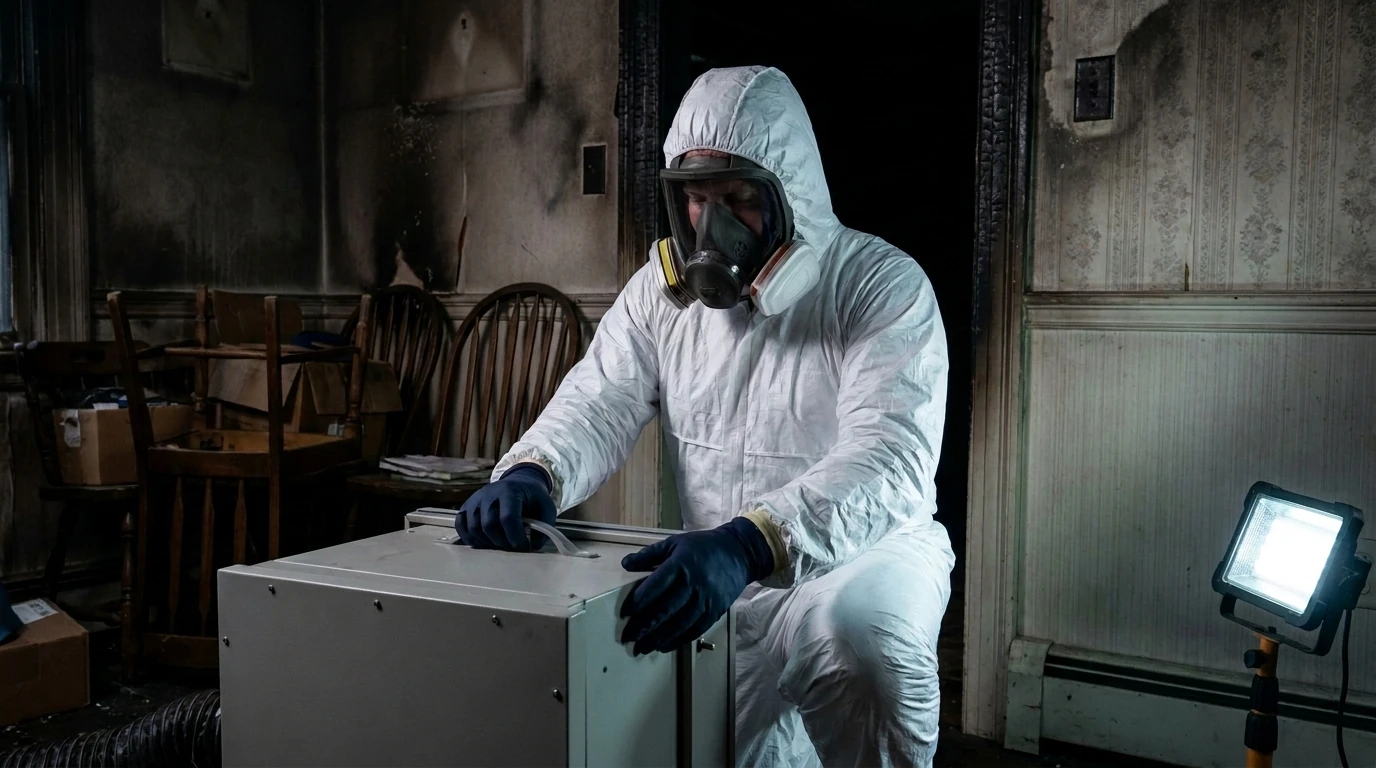
TL;DR: Fire and smoke restoration is the process of removing soot and fire residue, eliminating smoke odor, drying out water used to fight the fire, and rebuilding damaged structure. A typical Topsfield home moves through emergency board-up, debris and soot removal, odor treatment, structural drying, and reconstruction. Mitigation (the cleanup phase) usually runs two to six weeks; full reconstruction can add one to four more months depending on how much of the structure was affected.
If a grease fire in the kitchen or a chimney fire in one of Topsfield’s older colonial or cape-style homes has left you with blackened walls, melted fixtures, and a house that smells like a campground, you’re probably trying to figure out two things right now: what actually needs to happen to get this house livable again, and what your homeowners policy is going to pay for. This guide covers both, plus the first steps that protect your home (and your claim) in the hours right after the fire department leaves.
What Does Fire & Smoke Restoration Actually Include?
Fire and smoke restoration covers four distinct jobs, not just “cleaning up after a fire.” It includes structural repair of fire-damaged framing and surfaces, removal of soot and char residue, odor elimination from smoke that has penetrated porous materials, and drying out the water used to extinguish the blaze.
Soot is acidic and corrosive. Left untreated, it continues etching metal, plastic, and painted surfaces for days after the fire is out, which is why fast response matters even when the visible flame damage looks contained to one room. Technicians typically use HEPA vacuums and dry-cleaning sponges first to lift loose soot before any wet cleaning, since water or cleaning solution can smear soot into porous drywall and make it harder to remove.
Smoke odor is a separate problem from visible soot. Smoke particles are small enough to work into drywall, insulation, subflooring, and HVAC ductwork, which is why a room can look clean but still smell like smoke weeks later. Odor treatment usually involves HEPA air scrubbers, thermal fogging, or hydroxyl generators run over several days, not a can of odor spray. And because most house fires involve a fire hose or sprinkler system, there is almost always a water damage component layered on top of the fire damage, which means structural drying with air movers and dehumidifiers before any rebuilding starts.
How Long Does Fire and Smoke Restoration Take?
Most residential fire and smoke restoration jobs take two to six weeks for the mitigation phase (soot removal, odor treatment, and drying), with full reconstruction adding another one to four months if framing, drywall, or flooring needs to be rebuilt.
A small, contained kitchen fire that stayed inside one room might be fully mitigated in a week or two, with odor treatment running concurrently. A fire that spread into the attic or crawled along wall cavities in an older Essex County home, common in houses built before modern firestopping codes, takes longer because crews have to open walls to confirm there’s no hidden char or hot spots before closing anything back up.
Insurance adjuster scheduling, permit approval for structural work, and material lead times (especially custom trim or siding to match an older home) are often the real bottleneck on timeline, not the cleaning itself. We’ve written in more depth about each phase of the work in our full fire damage restoration process guide if you want the step-by-step breakdown.
Will Homeowners Insurance Cover Fire and Smoke Damage?
Most homeowners and commercial property policies cover fire damage, including smoke damage and the water used to extinguish the fire, as a named peril under standard dwelling coverage. This typically includes structural repair, smoke odor remediation, and often temporary housing (loss-of-use coverage) while the home is unlivable.
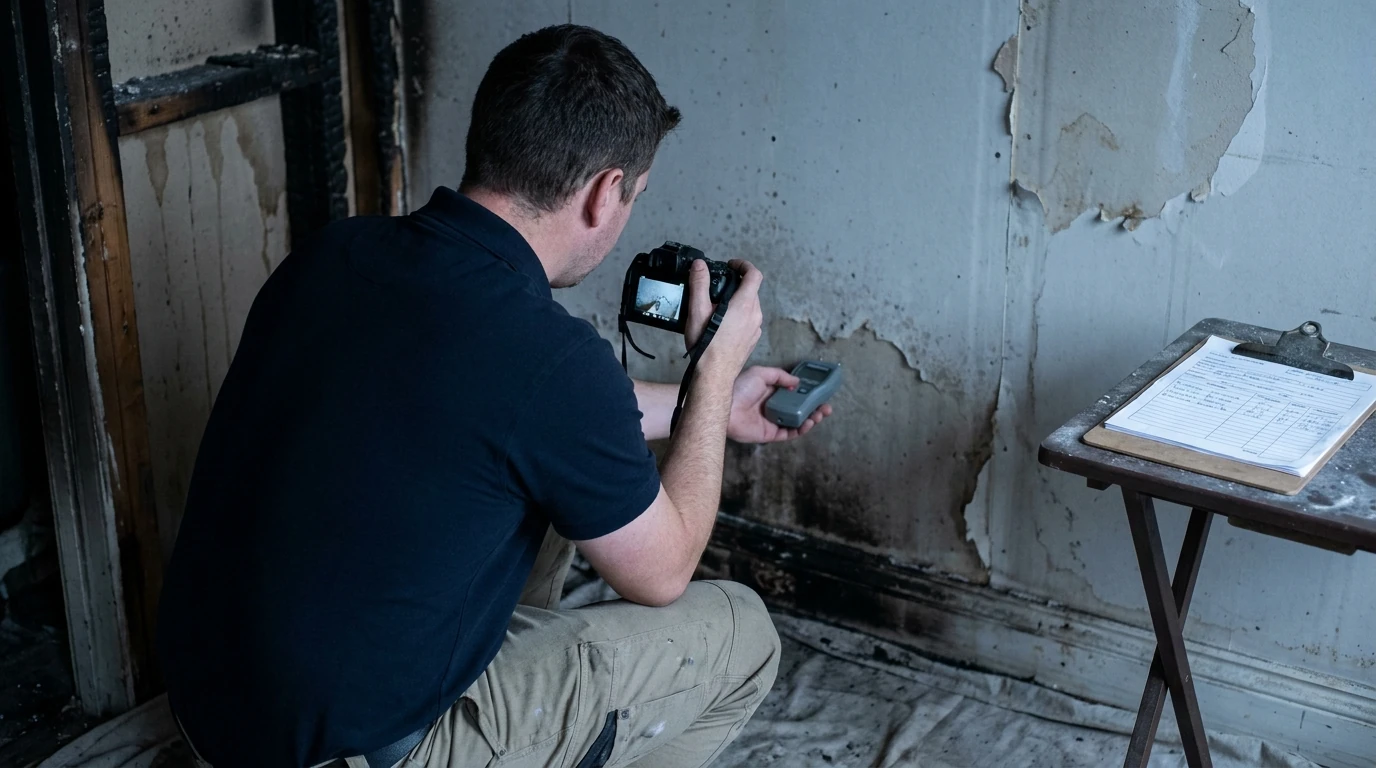
What gets disputed is scope and cost, not whether the claim is covered at all. Adjusters sometimes propose spot-cleaning soot or treating odor with a single fogging pass when the actual damage requires more extensive remediation to fully clear smoke odor from porous materials. Detailed documentation protects you here: photos before anything is touched, a written moisture and soot assessment, and an itemized scope of work. Restore & Repel provides a written scope before work begins, which gives you something concrete to compare against the adjuster’s estimate rather than taking either number on faith.
The IICRC publishes the S700 Standard for Professional Fire and Smoke Damage Restoration, the technical benchmark most insurers and restoration contractors reference for what “properly restored” actually means. Working with a firm whose technicians hold IICRC Fire & Smoke Restoration Technician (FSRT) certification gives you a documented basis for the scope of work if the claim gets disputed.
What Should You Do in the First 24 Hours After a Fire?
The first 24 hours matter because soot residue and lingering moisture both cause more damage the longer they sit untreated. Do not re-enter the structure until the fire department clears it, and don’t run the HVAC system, since it can spread soot throughout the house.
A few concrete steps:
- Call your insurance company to open the claim and ask what documentation they require before cleanup starts.
- Photograph everything before any cleaning, touching, or moving of damaged items.
- Arrange emergency board-up for any broken windows, doors, or roof openings to secure the property and prevent weather or theft-related secondary damage.
- Avoid DIY soot cleaning on walls, ceilings, or fabrics. Wiping soot with a damp rag often smears it deeper into the material and makes professional removal harder and more expensive.
- Request moisture readings wherever firefighting water reached, since hidden dampness behind walls can turn into mold within 24 to 48 hours if it isn’t addressed.
If the fire was small and contained to a single appliance or small area, a smoke damage assessment can confirm whether odor has spread beyond what’s visible before you decide how much cleanup is actually needed.
Getting a professional assessment early gives you an accurate scope before you agree to anything with your insurer, and it starts the drying clock before secondary damage like mold or warped flooring sets in. Call Restore & Repel at (800) 393-1532 to schedule a fire and smoke damage assessment in Topsfield or the surrounding North Shore communities.
About Restore & Repel
Restore & Repel employs IICRC-certified technicians serving Topsfield, MA and surrounding Essex County communities since 2003, licensed under Massachusetts license CS-113-396. Their technicians hold IICRC certifications in Water (WRT), Fire & Smoke (FSRT), and Mold (AMRT) restoration, and the company offers 24/7 emergency response for fire, smoke, water, mold, and storm damage. This post was prepared with input from Hernany Dasilva.